Skagit County's
Emergency
Communications
Experts

Our Mission
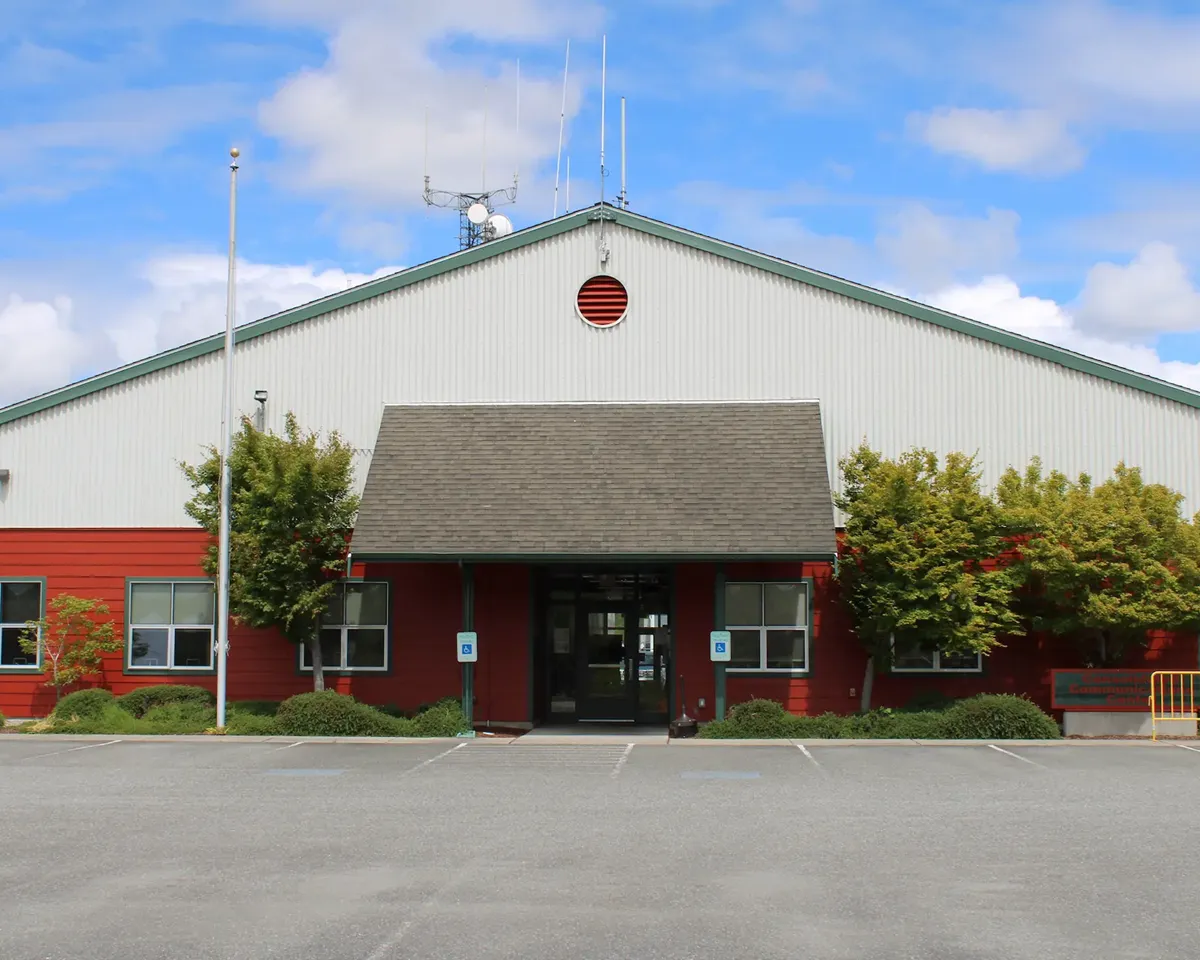
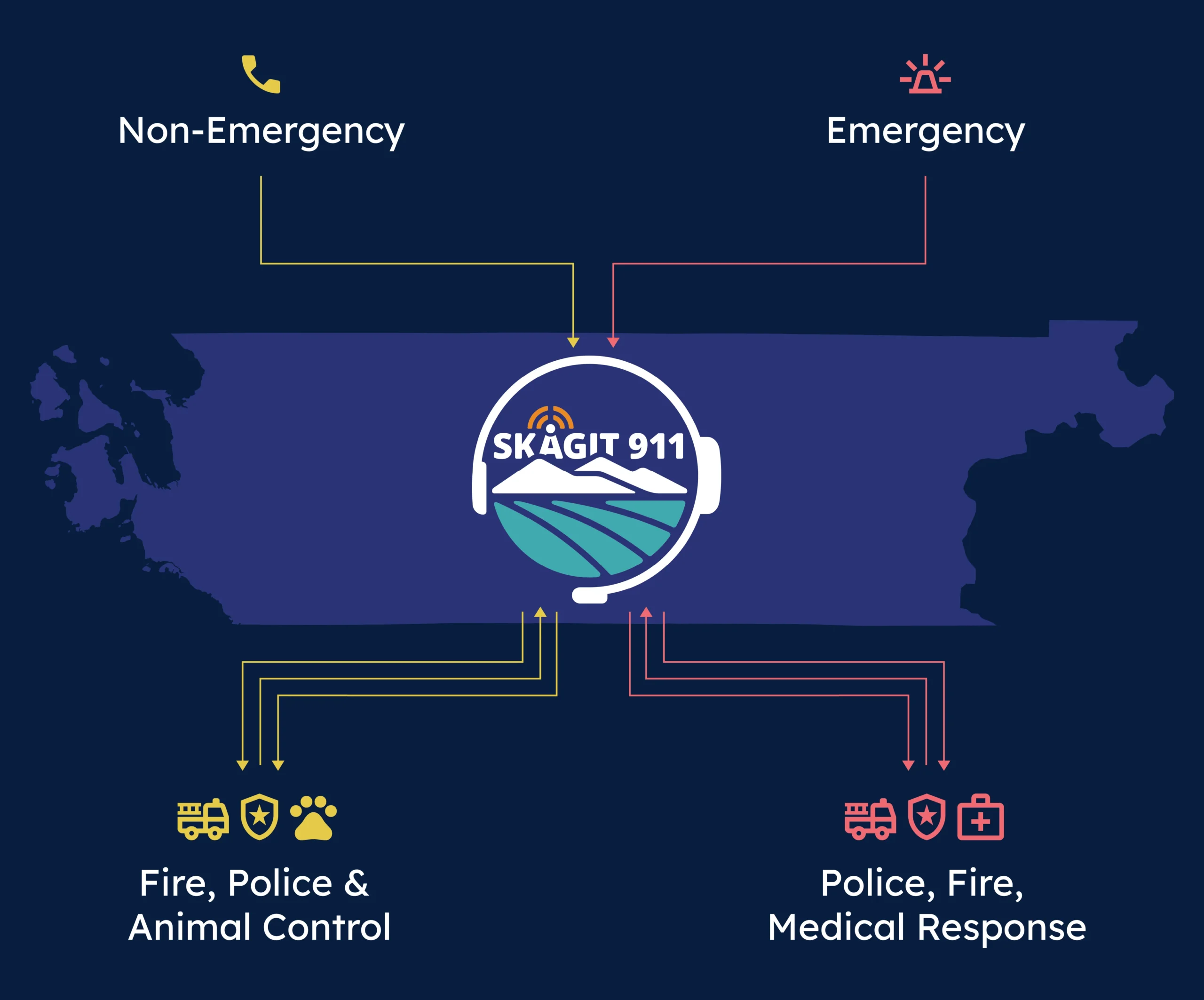
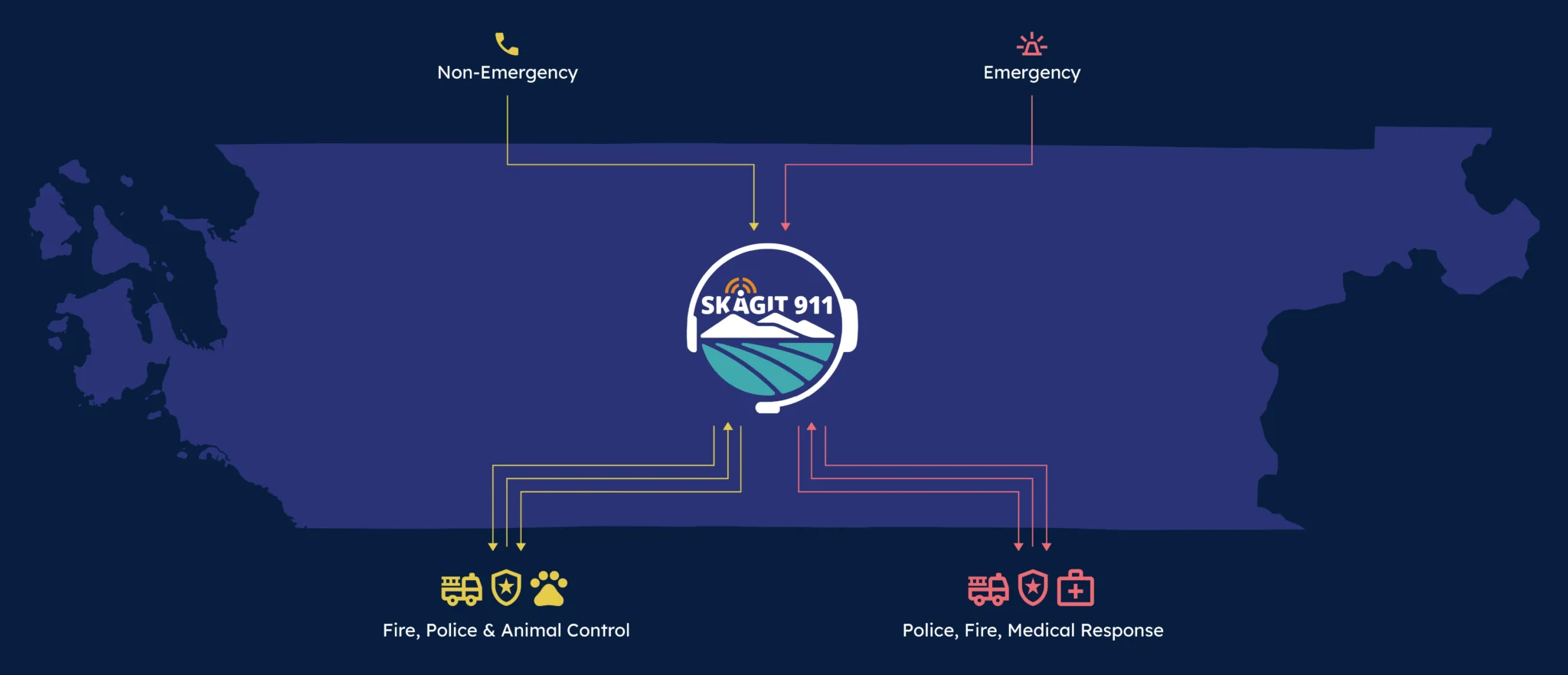
Skagit 911’s mission is to get the right resources to the right location with an uncompromising focus on community and responder safety. Our professional telecommunicators coordinate and dispatch public safety resources throughout Skagit County in response to both 911 emergencies and non-emergency communications.
Skagit 911 is Your Link to Public Safety Response
The Values that Drive Us Every Day
At Skagit 911, we do more than just answer calls — we live by values that guide everything we do. These aren’t just words on a wall.
They’re the heart of who we are and how we serve you.
- Integrity: We always do the right thing, even when no one is watching.
- Diversity: We celebrate what makes each person unique, because our differences make us stronger.
- Accountability: We take responsibility for our work, knowing that lives depend on what we do.
- Compassion: We treat every caller with kindness, especially on their worst day.
- Safety: Protecting both our community and our first responders comes first in every decision.
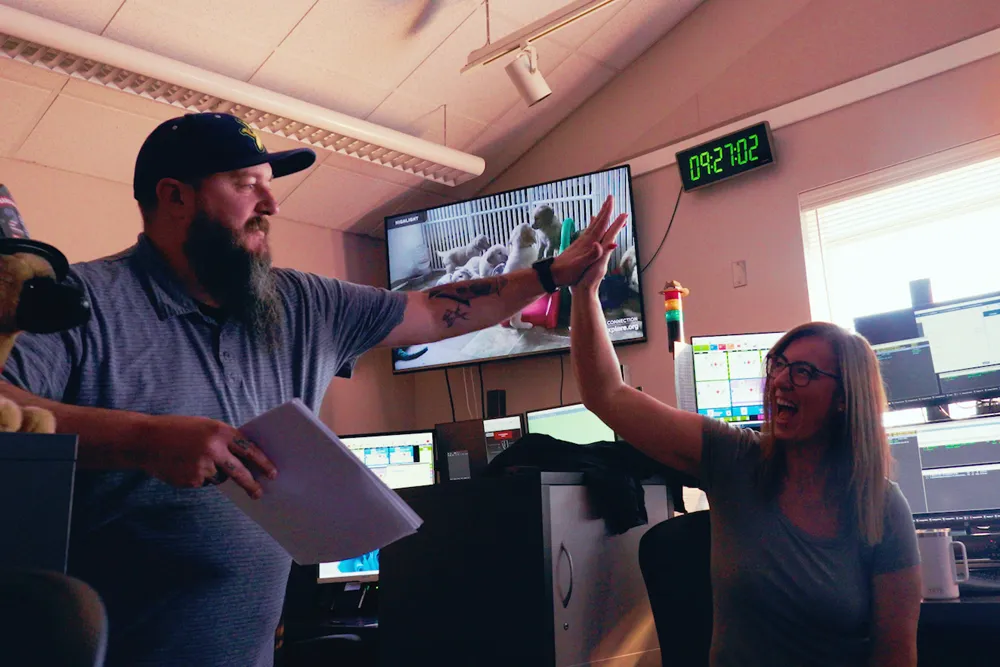
- Collaboration: We work as one team with police, fire, and medical crews to help you faster.
- Transparency: We’re honest about our work and open about how we can do better.

From the People Who Answer the Call
In moments of crisis, every second counts and every person deserves an immediate, compassionate response from an emergency communication expert that connects them to critical help. Skagit 911 is the vital link that ensures no one faces an emergency alone.
Our values aren’t just something we talk about — they’re something we live. But don’t take our word for it. Here’s what our emergency communication experts have to say about why they choose to work here and serve our community:

JESS
Public Safety Telecommunications (PST) Supervisor
“When I first applied at Skagit 911 in 2014, I was working multiple jobs, living paycheck to paycheck and lacking direction. Working at Skagit 911 has given me financial stability and the chance to grow, both personally and professionally – working my way up to a Public Safety Telecommunications Supervisor in 2025.”

Jenna
Public Safety Telecommunications (PST) Lead
“Working at Skagit 911 is unlike any other job anywhere. Each day is different than the last, no two days are the same, and through all of it you have some of the most stellar and supportive coworkers you couldn’t find anywhere else. I came to help others; I stay for my amazing coworkers who make the job so rewarding!”

Debbie
Public Safety Telecommunications (PST) Supervisor
“The number one reason I love working here: the people. You will never meet more hardworking, highly-skilled individuals in a single setting anywhere else.”
Skagit 911's Leadership Team

Alysn
Everbeck
Executive Director
Alysn leads Skagit 911 as its public-facing executive, providing organizational oversight, guiding strategic planning and budgeting, and collaborating with local partners to ensure effective, transparent emergency communications that reflect the diversity of Skagit County.

Mindy Rodenberger
Operations Manager
Mindy oversees daily operations, supervises the Public Safety Telecommunications Supervisory team, ensures staff and systems are coordinated, and works to uphold the reliability and efficiency of emergency response services with integrity, compassion, and a commitment to community safety.

Mike Voss
TECHNICAL SERVICES
MANAGER
Mike oversees the design, implementation, and maintenance of the agency’s communications and data networks, along with supporting critical infrastructure and systems.

Tiffany Beisler
DEPUTY OPERATIONS
MANAGER
Tiffany assists in daily operations, ensures systems are coordinated, manages training, records, and the QA process, and serves as the lead on all new operations projects to help maintain agency collaboration, accountability, and adaptability.

Krista
McCamish
EXECUTIVE ASSISTANT
Krista supports the Executive Director and leadership team with daily administrative tasks, helps keep things organized, and ensures communication and coordination across the agency run smoothly.
Skagit 911’s Emergency Communications Experts Work with First Responders Across the County
Law Enforcement
Fire/Emergency Medical
Burlington Fire Department
Mount Vernon Fire Department
Sedro-Woolley Fire Department
McLean Road Fire Station (Skagit County Fire District 2)
Skagit County Fire District 3 (Conway/Cedardale)
Skagit County Fire District 4 (Clear Lake)
Skagit County Fire District 5 (Allen/Edison/Samish Island)
Skagit County Fire District 6 (Peterson Road)
Lake Cavanaugh Fire Department (Skagit County Fire District 7)
Skagit County Fire District 8 (Prairie Road/Lyman)
Big Lake Fire Department (Skagit County Fire District 9)
Skagit County Fire District 10 (Concrete/Grassmere)
Mount Erie Fire Department (Skagit County Fire District 11)
Skagit County Fire District 13 (La Conner/Swinomish/Hope Island)
Skagit County Fire District 14 (Alger/Bow)
Lake McMurray Fire Department (Skagit County Fire District 15)
Skagit County Fire District 16 (Day Creek)
Guemes Fire Department (Skagit County Fire District 17)
Skagit County Fire District 19 (Rockport)
FAQs
When should I call 9-1-1?
- Life or property are in immediate danger
- A crime is being committed
- Emergency medical assistance is needed
- Smoke or flames are seen or smelled
- You need help immediately
What questions will I be asked when I call 9-1-1?
- Location of where help is needed
- What is happening (used to determine if you need police, fire or medical help)
- Time delay (for example: did it occur 5 minutes ago or 1 week ago)
- Any weapons involved (if yes, we will ask what type and where they are located)
- Descriptions of vehicles and people involved
- The phone number you are calling from
- Your name and date of birth
- We are here to help you! We ask questions that are necessary to determine the appropriate response to your needs.
What questions do you ask if I call in a medical emergency?
- What is the address/location of the patient
- Is the patient conscious
- Is the patient breathing normally
- How old is the patient
- What is the chief complaint/reason for calling 9-1-1
- Once we identify the chief complaint a specific list of questions are asked to gather further information for the medical responders
What if I accidentally dial 9-1-1?
- DO NOT HANG UP! Even if you think you are able to disconnect quickly enough, you aren’t! Your call will still ring into the 9-1-1 center. Call-takers have to call back every hang-up 9-1-1 call. Making these callbacks take up time, causing extra workload and could delay our ability to answer other, emergency calls.
- If you call 9-1-1 on accident, stay on the phone and let the dispatcher know it was an accident and there is no emergency.
- Approximately 32% of all 9-1-1 calls in Washington State are accidental. Click here to learn how you can help prevent accidental calls.
Is it legal to dial 9-1-1 when driving?
You can legally call 9-1-1 if you are driving, but be careful!
Can I text 9-1-1?
You can send a text to 9-1-1, but please call 9-1-1 if you can. Only text if you cannot call. Click here for further information.
What happens if someone who doesn’t speak English calls?
All 9-1-1 centers have access to language line services for those who either do not speak English or feel more comfortable speaking another language. Let the dispatcher know which language you speak and they will connect you with an interpreter on the phone.
Why do some 9-1-1 calls get transferred?
You might get transferred. The routing system is complex when calling from a cell phone. Stay on the line and we will ensure you get to the right people who can send help.
What if 9-1-1 isn’t working on my phone?
- Try calling from another phone that uses a different carrier or different technology.
- If your landline isn’t working, try using a cell phone and vice versa.
- If your cell phone isn’t working and you don’t have a landline, try another cell phone on a different network.
- Try calling the 10-digit emergency number for SKAGIT 911 at 360-336-3131.
- Try texting to 911 from a cell phone.
Be Ready Before You Need Us
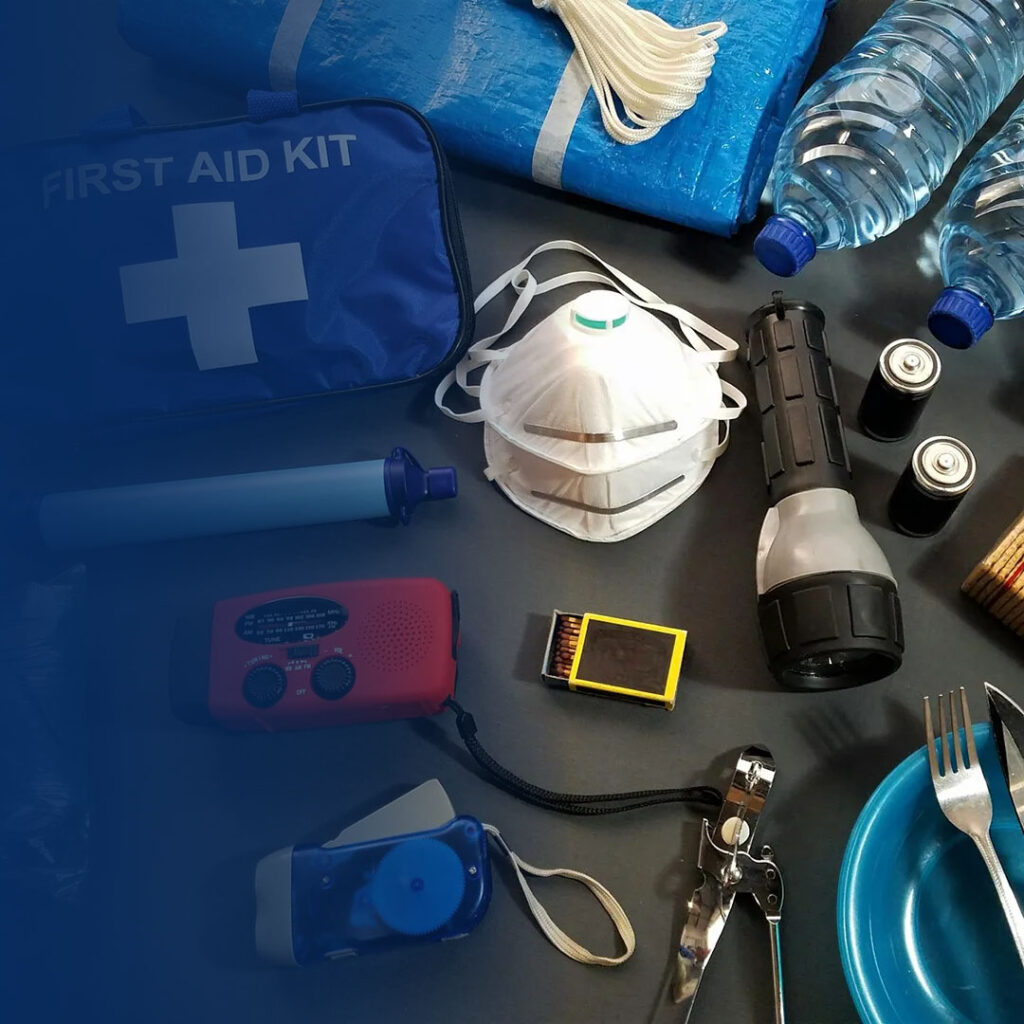
We’re here for you 24/7/365 when emergencies happen. But the best emergencies are the ones you’re ready for. Having a plan and some basic supplies can make a huge difference when things go wrong.
Skagit County’s Department of Emergency Management has put together helpful tips to get you started. They’ll walk you through simple steps like making a family emergency plan, putting together a basic emergency kit, and knowing what to do in different situations.